
Learn what is a recreational vehicle, from travel trailers to camper vans, plus RV meaning and parking tips.
Are you a travel enthusiast, a skating fan or just love to spend time on the roadway? If so, you might have already heard the term Mobile House or Recreational Vehicle.
So, what actually is a recreational vehicle? In this guide to recreational vehicles, we will explain what RVs are, some common types like travel trailers and tent trailers and even touch on interesting topics such as Toyota recreational vehicles, recreational vehicle parking and is a motorcycle considered a recreational vehicle.
By the time you’ve read to the end of this guide, you’ll know the meaning of RV or recreational vehicle, have understood what RV stands for, and which type might suit your individual lifestyle best. Let’s get going!
What does RV stand for?
Recreational Vehicle (RV) means a motorised or towable vehicle, generally equipped with sleeping area, a kitchen and bathroom facilities. It has come to be used as a general term for such campers. Using the term in other situations besides camping is however, not uncommon either: RV could also refer to architecture and remodel. This new combination of leisure and housing would prompt anyone!
RV is basically a home with wheels. This means you are free and comfortable during your journey, still able to recline in bed at night, cook up a meal on the go and use the toilet if necessary all inside a moving house on wheels.
RVs come in all shapes and sizes, from small camper vans to longer motor homes and travel trailers. They are made to make your travel more pleasant and comfortable.
What makes Recreational Vehicle Special ?
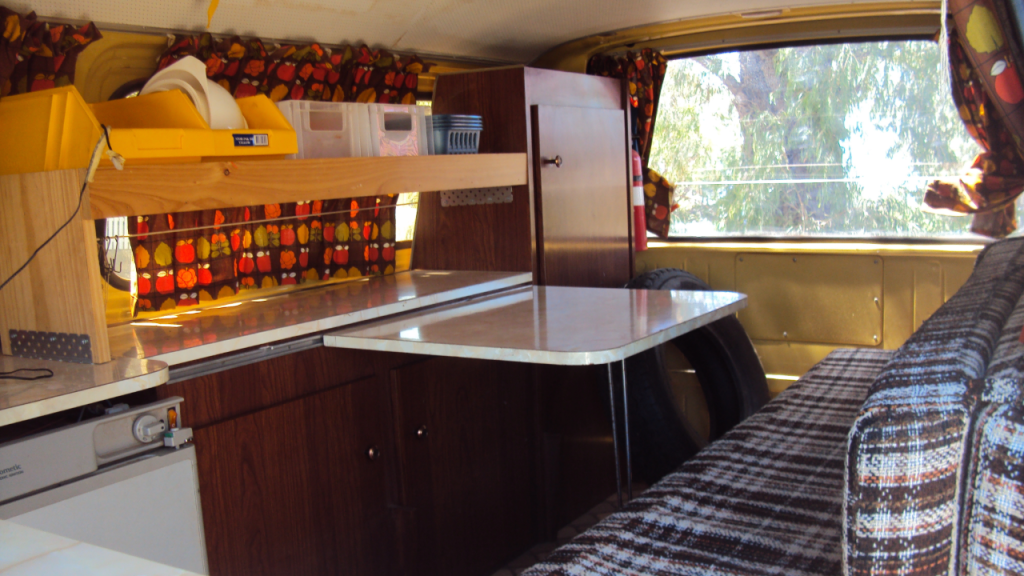
The meaning of RV vehicle goes far beyond the mere words: it symbolizes adventure and independence. Unlike a regular car, RVs are designed to travel long distances and be one’s home on wheels. They have features like:
- Sleeping areas: From fold-out sofa beds to full bedrooms.
- Kitchen facilities: Sinks, Stoves and Fridge.
- A bathroom: Includes Showers and Toilets.
- Cupboards: For clothes, equipment and food too.
Whether you’re camping or exploring national parks, an RV gives you home wherever you go. This is what makes the “RV lifestyle” so satisfying.
Types of Recreational Vehicle
Several kinds of RVs exist, each with its own features and advantages. Let’s take a look at a few popular options. For example, travel trailers and camper vans.
1. Travel Trailer
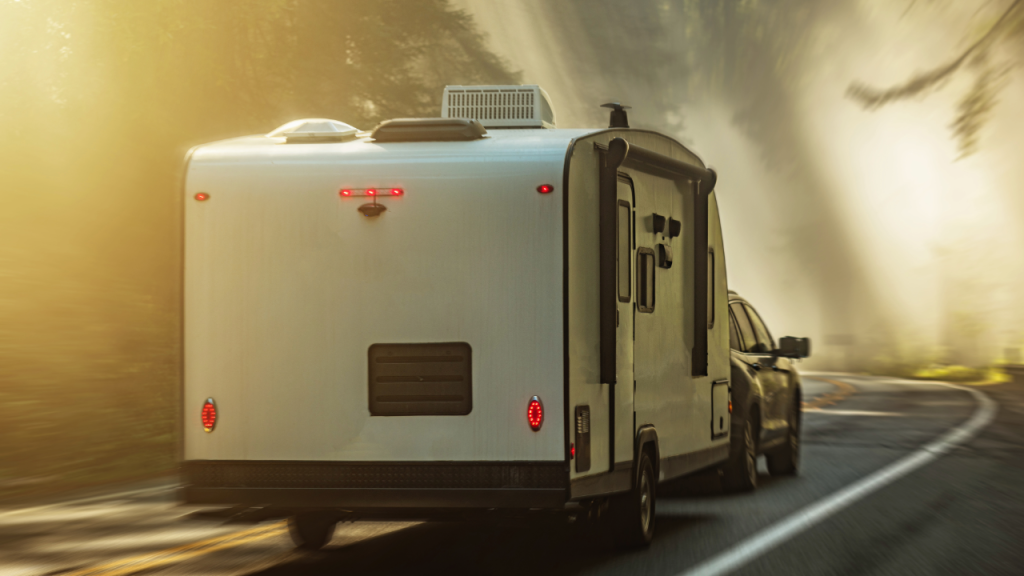
A travel trailer is one of the most common types of RVs. It is a towable unit that hooks up to your car, SUV or truck using a hitch. Travel trailers come in various lengths, from compact 10 ft. models to large 35 ft. versions.
Travel Trailers’ Advantages:
- Easy to unhook.
- Cheaper than motorhomes.
- Perfect for families or lengthy holidays.
- Widest choice of sizes and layouts.
Thus, rather than needing both a trailer and car, with travel trailers you still have the freedom of being able to use your vehicle even when parked in camp at night provided it’s not too far away from there!
2. Camper Van
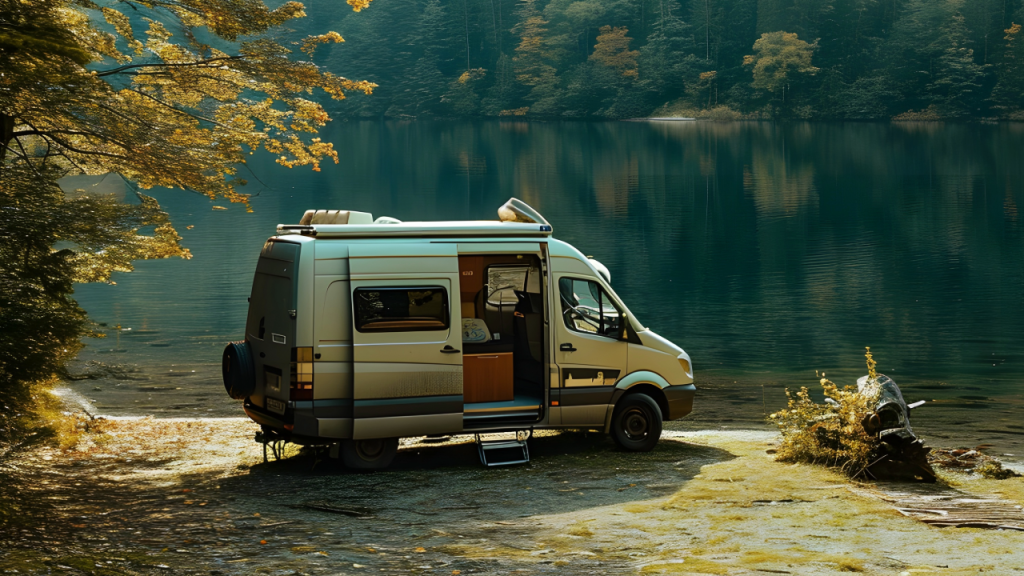
A camper van (also known as a Class B motorhome) is the smallest and least expensive type of RV, aside from towable pop-up tent trailers. It’s a traditional van on the exterior but its inside has been modified to travel and be used for camping.
Advantages of Camper Vans:
- Easy to drive and park.
- Fuel-efficient compared to larger RVs.
- Great for a solo traveler or a couple.
- Use it as a daily driver.
Camper vans are a perfect match for road warriors. You can get on the road in no time and nearly anywhere great for weekend adventures.
3. Motorhomes
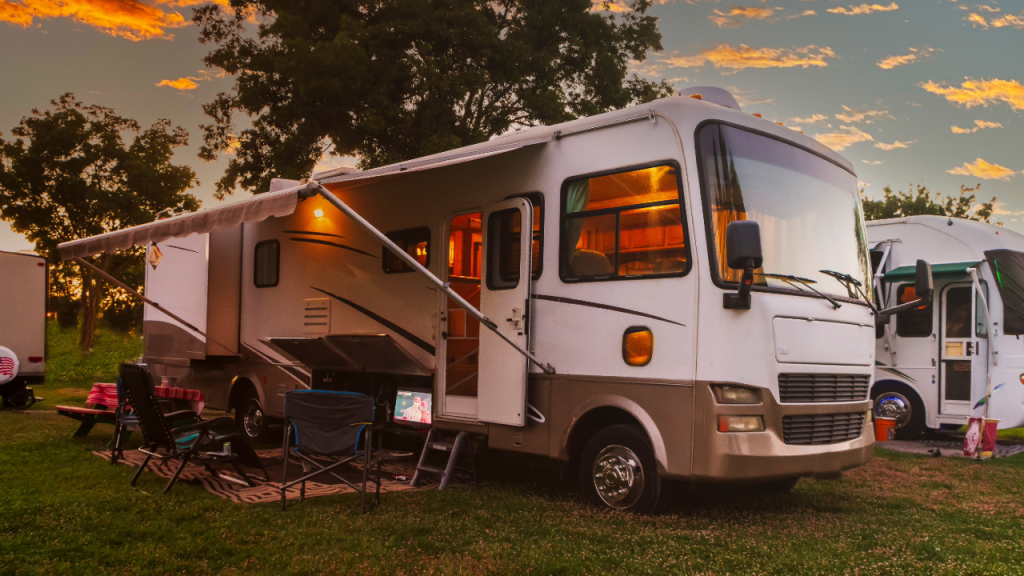
Class A, Class B and Class C are three major motorhome types, each having a unique characteristic that sets them apart from the others.
- Class A: The big ones, the fancy ones, look like a bus.
- Class B: These are the smallest, typically camper vans.
- Class C: Midsize with a sleeping area over the driver’s cab.
They serve different needs, from short camping trips to full-time life on the road.
Toyota Campers: A Trusted Choice
Toyotas are known for their reliability and this is a company that has definitely cultivated that reputation. Toyota RVs are compact and reliable vehicles that many travelers admire for their practicality and charm.
They are small truck based Toyota RVs, particularly good:
- Fuel-efficient
- Durable and long-lasting
- Easy to drive and maintain
Currently, Toyota camper vans are still being manufactured and modernized with a host of amenities such as folding beds, mini kitchens and storage. If you are in the market research looking for a quality, affordable RV, Toyota is definitely worth your time.
RV Parking: What You Need to Know
Recreational Vehicle Parking Regulations before you take off cross-country in your RV, you need to know the rules for parking recreational vehicles. Parking an RV isn’t as straightforward as pulling over wherever you please, there are laws and spots designated for overnight stays.
Here are a few things you should consider for RV parking:
Use designated RV parks and camp grounds. These locales supply us with electricity, water and where we dispose of waste.
- Check local parking laws: Parking RV on public streets is restricted in some cities.
- Rest stops are temporary: You can generally park for a few hours but not overnight.
- Private property: Always secure permission to park on private property.
Parking is frequently the most stressful part of any trip and a little planning ahead can save you a lot of headaches.
Is a motorcycle considered an RV?
Many people often ask, Is a motorcycle an RV?
The answer depends on what the definition of the term “recreational vehicle” is.
However, according to most definitions, motorcycles do not come under the heading of RVs. This is because without living quarters they are not considered a complete dwelling and in such a condition they can’t be seen as recreational vehicles at all.
In simple words: A motorcycle is a recreational vehicle in a broad sense, i.e: something for pleasure and travel. But it is not an RV like motorhomes or travel trailers that have living space built in.
- A motorcycle is a recreational vehicle in general sense used for fun and travel.
- But it is not an RV, such as a camper van or travel trailer, because it does not come with built-in living space.
Why Choose a Recreational Vehicle?
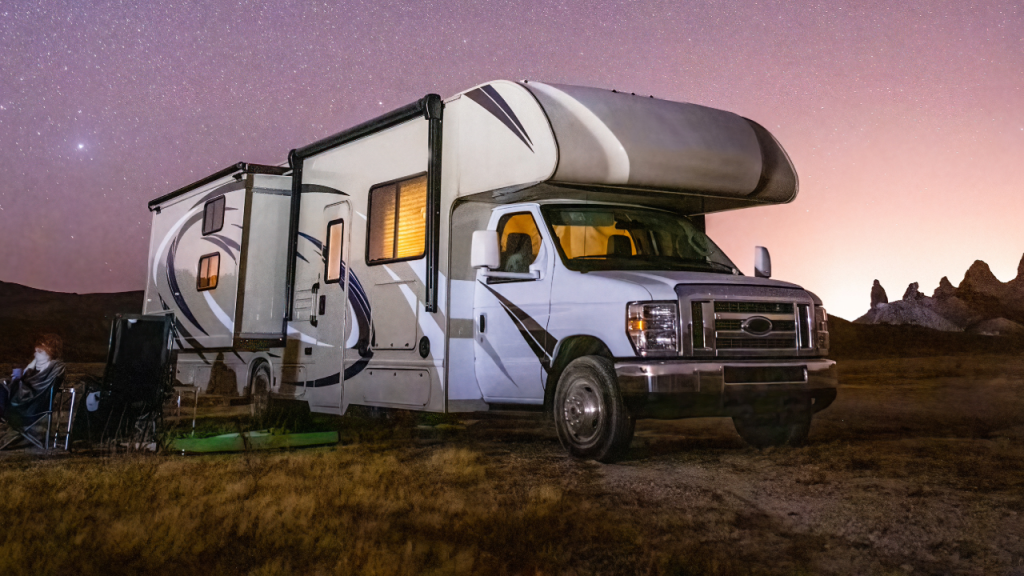
Owning a recreational vehicle means a world of adventure and flexibility. Here are some reasons RV life is loved by people:
- Freedom to travel anywhere: Walk, drive and explore without any restrictions.
- Comfort and convenience: Sleep, cook, and eat wherever you go.
- Family reunions: A road trip is a wonderful time to bond and create memories.
- Cost Savings: After a time, it is cheaper to travel by RV than make frequent hotel stays.
- Getting close to nature: Set up camp in scenic sites and live outside for a while.
Whether you like a compact camper van or a spacious travel trailer, the RV gives you the best convenience on wheels.
Tips for new RV owners
Here are some beginner’s tips for new owners of recreational vehicles:
1. Start small: Rent a campervan or similar small van to travel trailer first.
2. Learn about maintenance: Keep your RV clean, check tire pressure and have the motor serviced at regular intervals.
3. Plan routes and campsites: Particularly at peak time or at weekends, places like RV parks fill up fast.
4. Drive and park: Larger RVs perform differently compared with regular cars.5. Join RV communities: You can connect with other travelers, share experiences and learn useful tips.
The Future of Recreational Vehicles
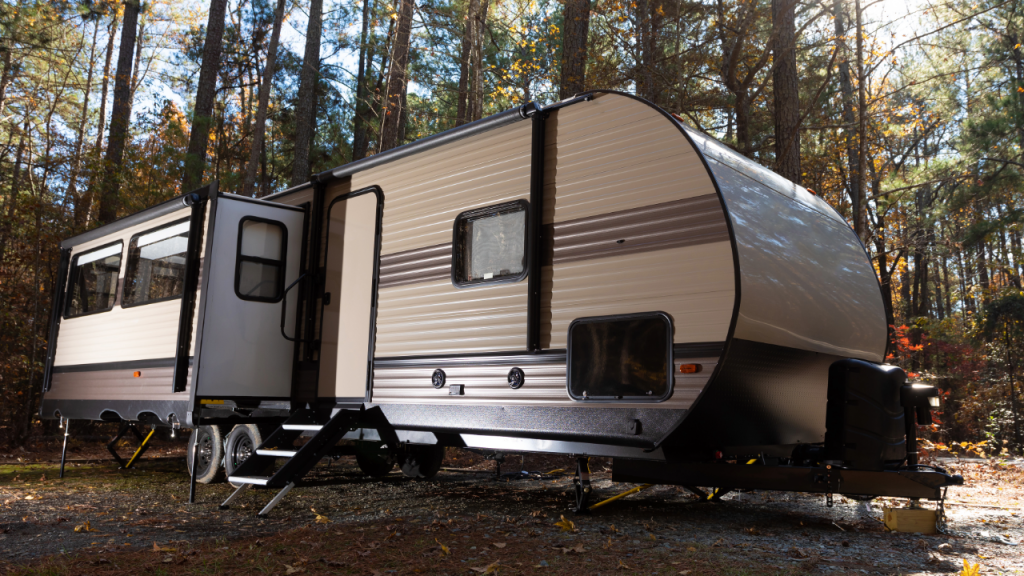
Thanks to rising demand for flexible travel options, the RV industry is in excellent shape. Modern recreational vehicles are smarter, more environmentally friendly and comfortable than ever.
Some new trends include:
- Electric RV: Eco-friendly travel powered by battery.
- Solar panels: For off grid camping.
- Smart technology: Apps to monitor temperature, power, and location information remotely.
Even brands like Toyota recreational vehicles are exploring hybrid and electric options for the future.
Final Thoughts
An RV is not just a means of transportation; it’s a way of life. From the cozy camper van to the spacious travel trailer, or even a reliable Toyota RV vehicle in between, freedom is invested in one of these both with wheels and flexibility too.
In this recreational vehicle guide you have come to understand what RV stands for, realize the recreational vehicle meaning and can tell whether a motorbike is also an RV. With such advice in mind, you are poised to chart out an exciting route exploring lovely highways, national parks and hidden delights for yourself.