


Explore Canadian bacon vs ham: cut, taste, health, and best uses in recipes like pizza and breakfast. Know which pork cut is right for you.
If you’ve ever found yourself standing in the grocery store and wondering to yourself, “Canadian bacon vs ham?” then don’t worry you’re not alone. And at first, they might appear as though they could. Both are pork, both are sliced, and they’re frequently served as part of breakfasts. But in taste, cut, nutrition and cooking method, they’re surprisingly different.
In this post we will break down ham vs Canadian bacon, what makes each one different from the other and if you are wondering, which one is better for you whether it’s to make a morning sandwich or pizza pie or just knowing what’s in front of you.
What is Bacon?
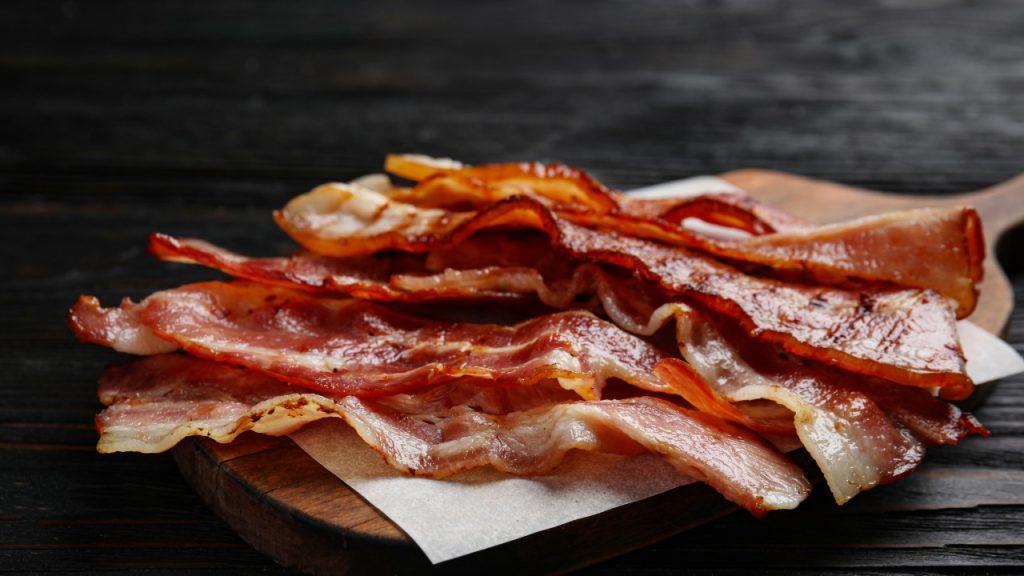
Most people think of bacon: thin, fatty strips that turn crispy when cooked. It’s the pork belly (the underside of a pig).
- Salty, smoky flavor
- High in fat
- Crispy when fried or baked
- Great for breakfasts, burgers, sandwiches and so much more
What is Canadian Bacon?
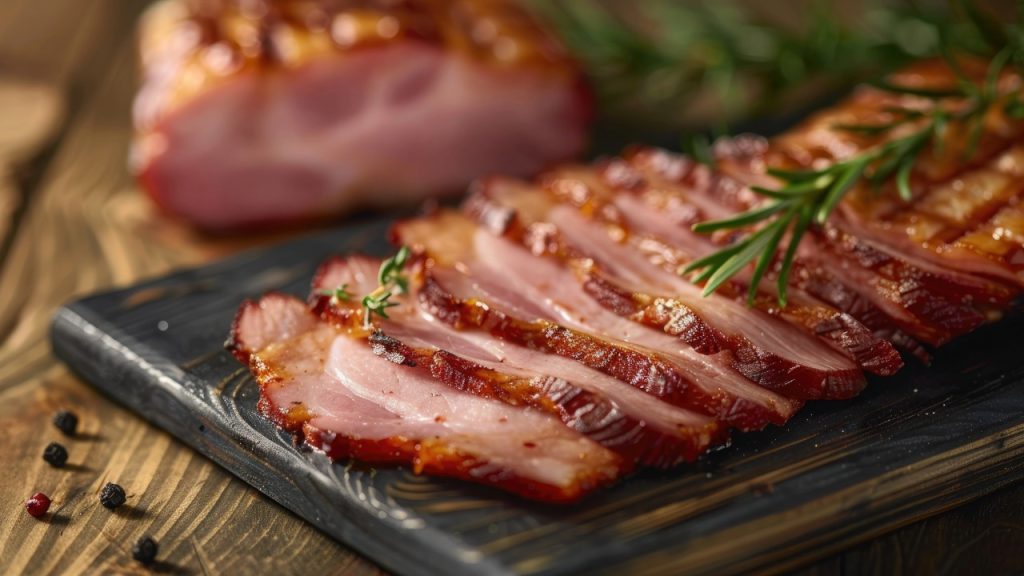
Canadian bacon is a type of bacon that comes from a different part of a pig than regular (American) bacon. Here’s what makes it unique:
- It is cut from the loin of the pig’s back end, as in most leaner and meatier.
- It is round, thicker and typically pre-cooked or smoked.
- It’s leaner, with more tender fat than regular bacon.
In short:
- Canadian bacon = lean, round, ham-like bacon
- Standard bacon = end cuts of belly with some fat and some lean.
Canadian Bacon vs Bacon
Here’s a brief comparison to help you visualise the differences:
| Feature | Canadian Bacon | Regular Bacon |
| Cut From | Pork loin (back) | Pork belly (underside) |
| Shape | Round, thick slices | Long, thin strips |
| Texture | Meaty, soft | Crispy, fatty |
| Flavor | Mild, slightly sweet | Salty, smoky |
| Fat Content | Low | High |
| Cooked? | Often pre-cooked or smoked | Usually raw, needs cooking |
What is Ham?
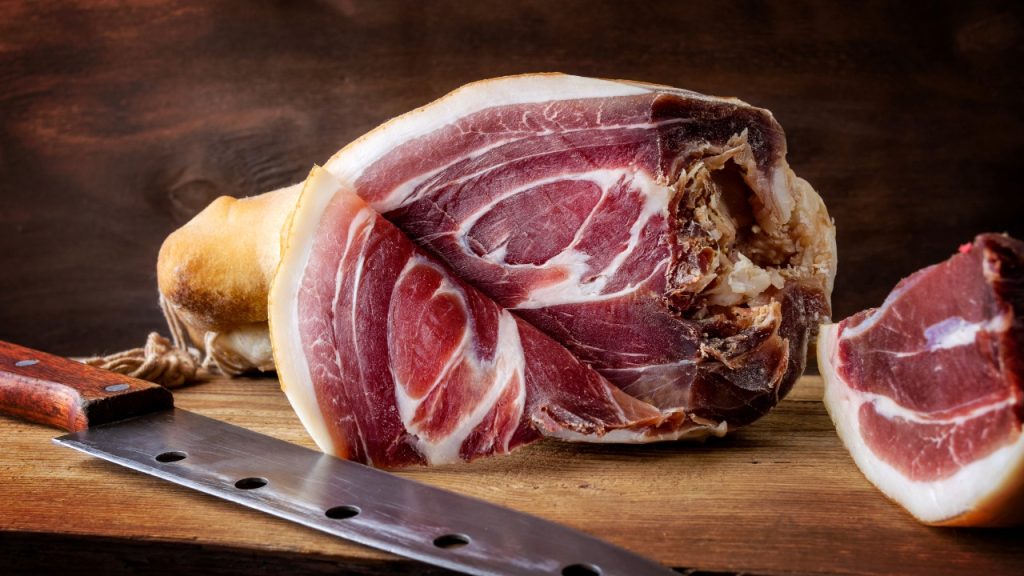
Ham is the meat from a pig’s back leg, typically a thigh or rump.
But ham is not just raw pork; it has been cured (preserved) with salt, and often smoked or sometimes even cooked.
- Ham = cured pork leg
- General types: Smoked ham, honey ham, Prosciutto (Italian dry cured ham)
- Typically found eating in sandwiches, holiday meals or as a part of a breakfast platter
What does “Cured” mean?
Curing is a method of preserving meat with:
- Salt
- Sometimes sugar, spices, and smoke
This gives ham its salty, meaty flavor and protects it from spoiling.
What is Canadian Ham?

Despite the name, “Canadian ham” is not a particular cut found only in Canada. It’s really more of a marketing term applied to a leaner, smaller ham product — frequently wet-cured and lightly smoked.
Quick facts:
- Is made from pork loin or hind leg
- Fully cooked and ready to eat
- Frequently used on sandwiches, breakfast dishes and pizzas
- Canned or vacuum-packed in U.S. supermarkets
Common Types of Ham

There are many hams out there, some for holiday dinners, others to be sliced into a sandwich. Here is a breakdown of the most common types:
Cooked Ham
- Fully cooked and ready to eat.
- You can serve it cold (like lunch meat) or hot.
- Often used in sandwiches, omelets or breakfast wraps.
Smoked Ham
- Cured and smoked for added flavor.
- Has a rich, smoky taste.
- Usually seen in holiday meals or spiral-cut hams.
Honey-Glazed Ham
- Ham coated with a sugar or honey glaze is sweet and salty.
- Makes a great side dish for Thanksgiving, Christmas or Easter.
- Usually baked and served hot.
Prosciutto
- A dry-cured Italian ham, aged for months.
- Thinly sliced and served uncooked.
- Used in charcuterie board, added to salad or sandwiches, or wrapped around fruit (such as melon).
Country Ham (U.S.)
- A salted, dry-cured ham common in the southern United States.
- Often aged and may be smoked.
- Requires soaking or cooking, depending on preparation.
Black Forest Ham
- Dark German smoked ham
- It has a deep, smoky flavor.
- Use as a topping in sandwiches and deli trays.
Spiral-Cut Ham
- A whole ham that has been pre-sliced in a spiral cut.
- Makes serving large meals easy.
- Frequently iced and baked for holiday consumption.
What Part of the Pig is Canadian Bacon and Ham?
Here is the main difference:
- Canadian bacon is made from cuts of pork loin, which stretches along the back of the pig. It’s leaner and more tender and in round slices.
- Ham is cut from the hind legs of a pig. It’s usually larger, more marbled with fat, and available in many forms from whole roasts to wafer-thin deli slices.
So when someone asks you next time what part of the pig is Canadian bacon, you can say: “It’s from the loin, not the leg.”
How Are They Prepared?
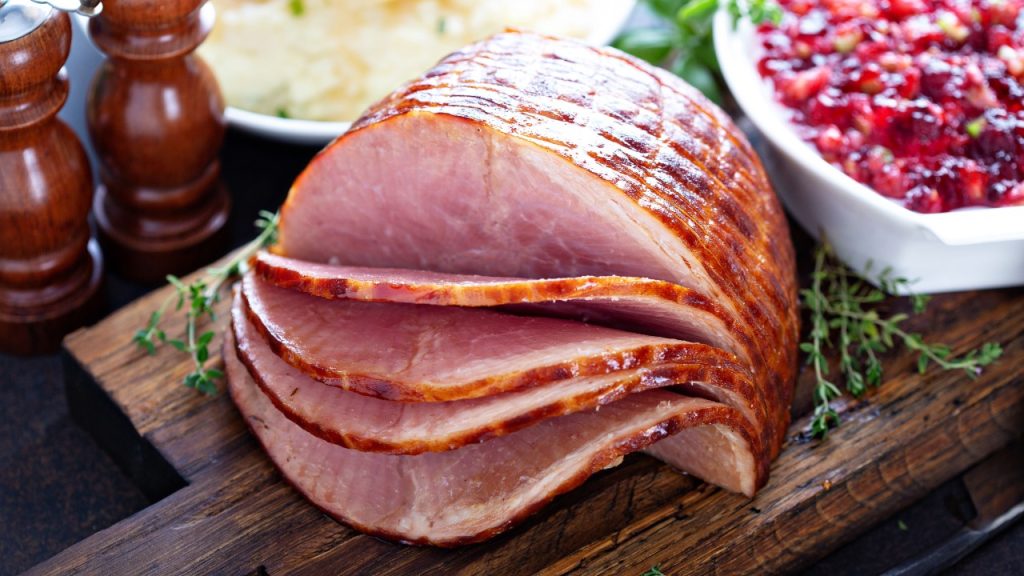
Canadian bacon and ham are both cured meats, which means it’s preserved with salt, brine or smoke.
- Canadian bacon is generally wet-cured and thinly sliced, lightly smoked before being cooked. It tastes smoky and a little salty, and it’s ready to eat as soon as you unwrap the package.
- Ham can be wet-cured, dry cured, smoked and aged. That process can also vary greatly, which is why ham tastes so different depending on style: sweet, smoky, salty or spiced.
In terms of flavor, Canadian bacon is a little bit more uniform and ham offers more variety.
What’s the difference between Canadian bacon and ham
Here’s how they compare side-by-side:
| Feature | Canadian Bacon | Ham |
| Cut | Pork loin (back) | Rear leg (thigh) |
| Flavor | Mild, slightly sweet, smoky | Salty, smoky, sometimes sweet or spiced |
| Texture | Lean and firm | Can be soft, fatty, or chewy |
| Appearance | Round, pink slices | Irregular slices, can be glazed or browned |
| Fat Content | Low | Medium to high, varies by cut |
Nutrition: Is ham or bacon healthier?
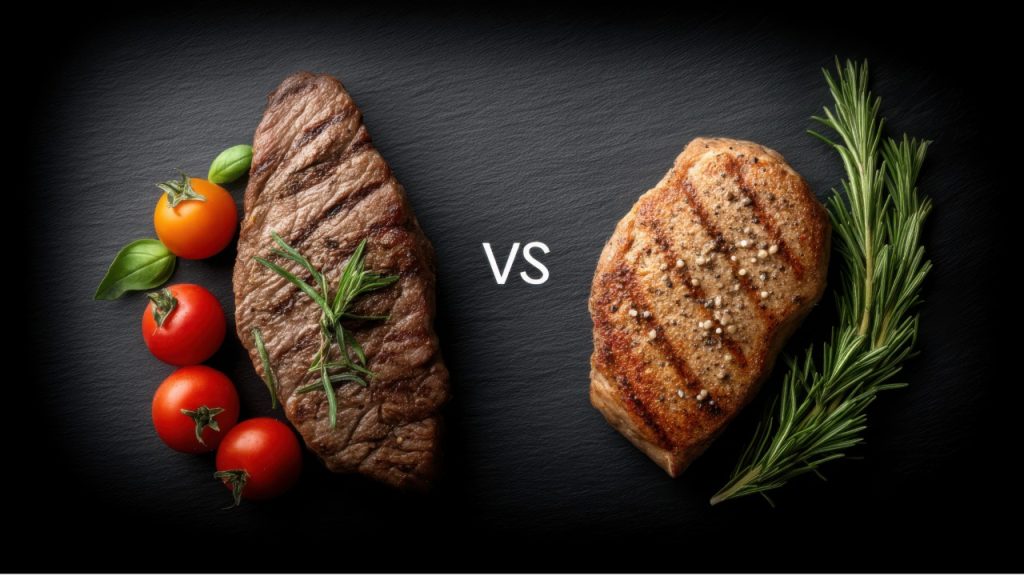
If you are counting the level of calories, fat or sodium in your diet, it’s good to be aware of how Canadian bacon vs ham compare nutritionally.
In general:
- Canadian bacon has less fat containing calories.
- Ham, particularly glazed or processed types, can be higher in sodium and fat.
| Per 2 oz (approx.) | Canadian Bacon | Ham |
| Calories | ~90 | ~120–150 |
| Fat | ~3g | ~6–10g |
| Protein | ~12g | ~10–12g |
| Sodium | ~500mg | ~700–1000mg |
Best low-calorie, high-protein choice: Canadian bacon
Winner for complexity and diversity of flavour: Ham
Be sure to check the label, however, as different brands vary in processed and salted differently.
Cooking & Best Uses
Due to their variance in fat and texture, they actually work best in slightly different ways.
Canadian Bacon is great for:
- Eggs Benedict
- Breakfast sandwiches
- Pizza toppings
- Quick skillet meals
- Lean protein options
Ham is best used in:
- Sandwiches & sliders
- Soups & casseroles
- Holiday glazed ham
- Cubed into salads or quiches
- Baked ham dinners
Canadian Bacon Vs Ham on Pizza

This one is personal for a lot of people and weirdly controversial.
- As a pizza topping, Canadian bacon is commonly chosen because of its light taste and chewy texture especially when combined with pineapple.
- Ham is also popular, particularly in diced and sliced form. It might give your dish a much saltier, more classic flavor.
Canadian Bacon vs Pork Roll (Taylor Ham)
| Feature | Canadian Bacon | Pork Roll (Taylor Ham) |
| Also Known As | Back bacon (in Canada) | Taylor ham (mostly in New Jersey) |
| Cut From | Pork loin (upper back) | Processed pork product (mixed cuts) |
| Texture | Lean, firm, ham-like | Softer, fattier, sausage-like |
| Taste | Mild, slightly sweet, lightly smoked | Salty, savory, strong flavor |
| Fat Content | Low | High |
| Preparation | Often pre-cooked or smoked | Usually fried or grilled |
| Health Factor | Leaner, higher protein, less fat | More processed, higher in fat and sodium |
| Common Uses | Breakfast plates, pizza, sandwiches | Breakfast sandwiches (esp. NJ) |
| Region Popularity | U.S. & Canada | Northeastern U.S., especially New Jersey |
Final verdict:
- Want a cleaner, leaner topping? Go with Canadian bacon.
- Prefer a richer, saltier taste? Choose ham.
Either way both styles work beautifully it just depends on your preference.
F&Q’s
Q. What Does Canadian Bacon Taste Like?
Ans: Yes, Canadian bacon tastes similar to ham with a delicate, slightly sweet flavor since it comes from the pork loin muscle area, a very lean and tender part of meat. Unlike conventional bacon, it’s not as fatty, and it’s not crispy.
Q. Where is Canadian Bacon From?
Ans: Despite its name, Canadian bacon is largely an American term. It came from “back bacon” in Canada but popular in the U.S. as “Canadian bacon.”
Q. Is Canadian bacon good for you?
Ans: Yes, Canadian bacon is on the healthier side relative to regular bacon. It’s lower in fat and calories, too, and an excellent source of lean protein. You just might want to watch the sodium, particularly in processed versions.
Q. Is Canadian bacon heart healthy?
Ans: Canadian bacon can be a heart-healthier alternative to regular bacon because of its low fat content. However, it still can have added sodium and choosing low-sodium versions and eating in moderation remains important for heart health.
Q. Is ham and Canadian bacon the same thing?
Ans: No, they’re not identical but they are alike.
Both are forms of pork and frequently featured in breakfast items, but:
- The hind leg of a pig is ham.
- Canadian bacon comes from the Pork loin (upper back) .
Q. What part of the pig is Canadian bacon?
Ans: Canadian bacon is made from the pork loin, a muscle that runs along the pig’s back, just beneath the ribs. This is also where pork chops are cut from.
Q. Is ham and Canadian bacon and ham the same thing?
Ans: No, they are different cuts and cooked differently. Canadian bacon is cut from the loin of the pig, and Ham is meat (pork) from the hindquarters of a pig.