

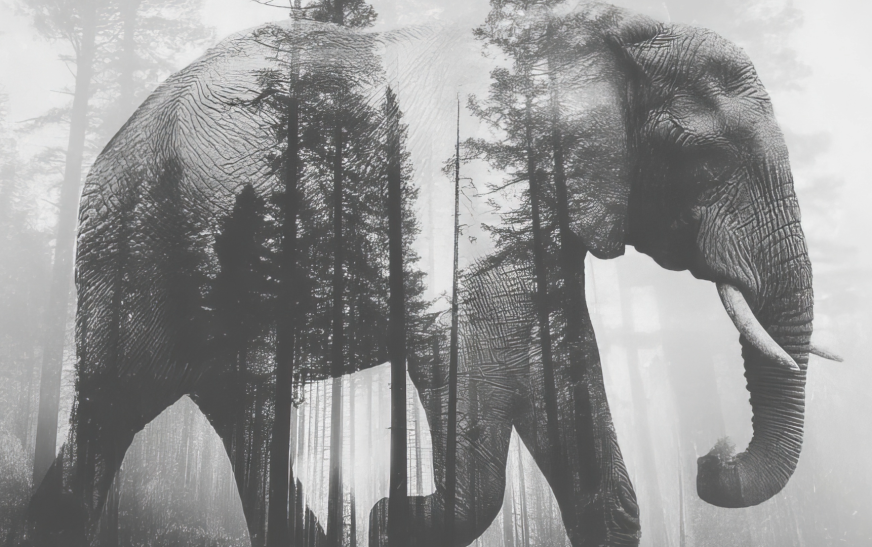
Discover The Elephant Sanctuary in Tennessee, home to rescued elephants like Tarra and Nosey. Support care and volunteer today.
The Elephant Sanctuary in Tennessee also referred as “Elephant Sanctuary TN” is a quiet and protective place in Hohenwald, Tennessee where retired or rescued elephants can live out their days with natural animals of various species. Here they receive lifelong care which includes not only their health but also activities designed specifically for comfort and interest in elephants. Home sweet home for hundred year old ‘Gulliver and Moshi’ as they age, it is certain that many more will be coming together.
Elephants from zoos around the US live in natural settings at the sanctuary. As a result, public tours are not available to watch elephants move about their daily lives with the rest of society. Instead they roam over 1000 acres of land set aside just for them.
The Tennessee State Assembly in 2025 celebrated 30 years of the sanctuary’s work with elephants and today it was honored in a statement.
How the Sanctuary Works ?
1. Land, Habitat and Liberty
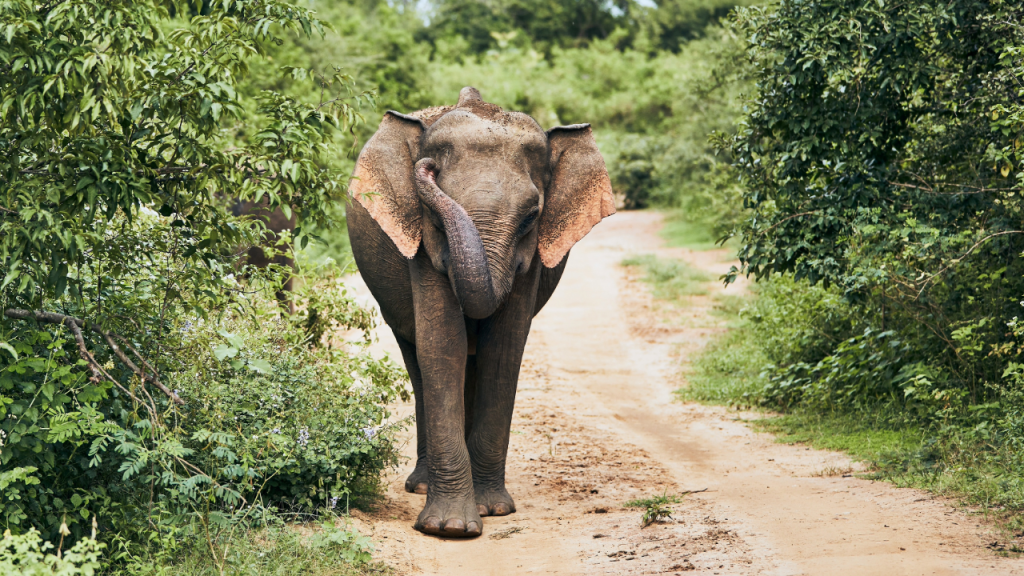
- The sanctuary now covered more than 3,060 acres of space for elephants to wander, forage, swim, sleep, and socialize.
- Much of the time, elephants in their own devices within their habitat. Staff at the sanctuary track them with cameras (EleCams) so as to understand their movements and condition.
- Since the elephants are out of sight (quite often they use large spaces, forests and ponds) the public cannot visit these areas where the elephant resides.
2. The Discovery Center
- To help people learn about elephants and conservation, the sanctuary runs a Discovery Center on The Main Drag in downtown Hohenwald.
- At The Discovery Center you’ll find some elements of display, all kinds of things to touch and feel. Whether it is a stilt walker or juggler events that are open to everyone in attendance!
- Visitors to the Discovery Center don’t see elephants in their habitats. This is just a place for public education.
- The Center is open Tuesday to Saturday (9 AM to 4 PM) and offers events like storytime and enrichment creation.
Stories and Challenges: Tarra, Lawsuits & Rights
- One of the most famous names attached to the elephants living here very freely considering these animals are residential is Tarra.
- One animal protection organization by shifting Tarra the elephant from pet into sanctuary. There’s Freedom Project in 2019, the case was settled. The jury held that the original owner Carol Buckley did not irrevocably transfer the right to possess Tarra when she brought her there in 1995.
- What happened was a lawsuit involving the Tennessee Elephant Sanctuary over animal rights, ownership, and who is responsible for their care.
- The sanctuary ensures that they are up to scratch in every case high standards of care, safety, veterinary oversight and ethical treatment.
- They are accredited by the Global Federation of Animal Sanctuaries (GFAS).
Meet Some Elephants and their Stories
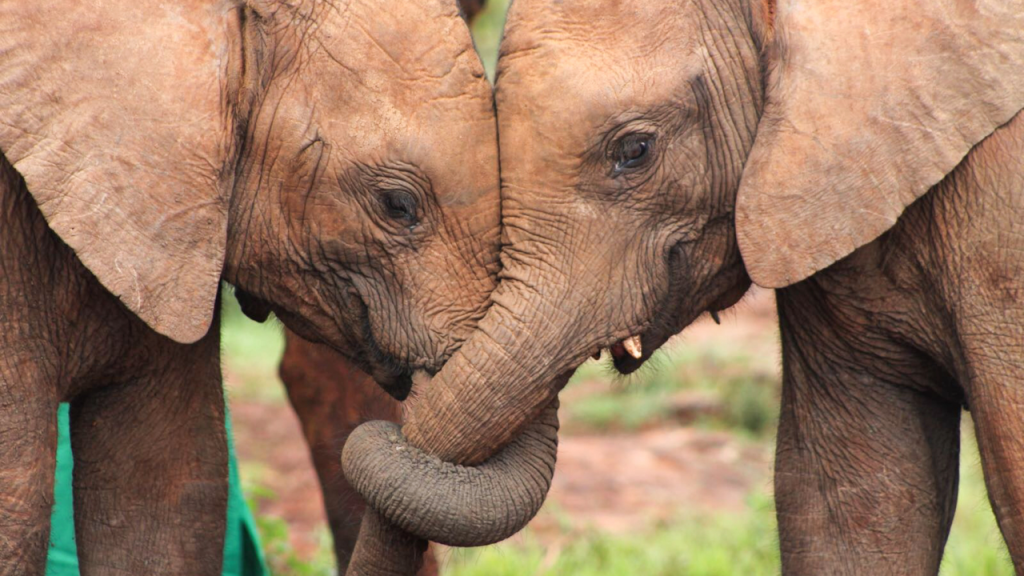
A few names and stories that help bring the place alive:
1. Tarra: as mentioned previously, is now caught up in legal wranglings about whether or not she owns/has possession rights to herself.
2. Nosey the Elephant: Nosey was a retired circus elephant who now resides in the sanctuary. Her story is blinkety-told in every oral history that describes how this place for elephants came into being.
3. Mikki & Punch: The Louisville Zoo’s remaining two elephants are about to retire at The Elephant Sanctuary in Tennessee in 2025.
4. Osh: The last African elephant at Oakland Zoo is moving to the Tennessee sanctuary which is where Donna now lives too.
This trend of zoo-to-sanctuary relocation of elephants is a response to the environment that gives animals more chance at an all natural life, and is surely better for them.
Volunteering in The Elephant Sanctuary, Tennessee
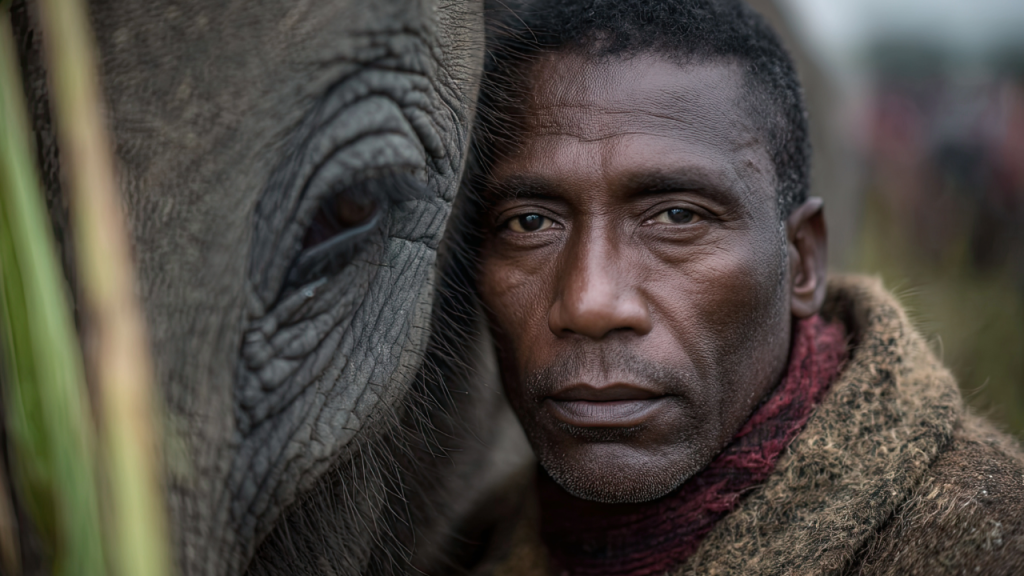
Many people ask: Can we volunteer at the Elephant Shelter in Tennessee?
The answer is Of Course, Yes! But there are some opportunities to volunteer within certain limits.
- Volunteer Days (On-Site) for a few Saturdays every year, The Elephant Sanctuary holds Volunteer Days, where small groups of people help out with projects such as painting, raking, clearing brush and enrichment items production; necessary skills or talents needed for onsite work are unloading hay etc.
- Volunteers are not allow to communicate or interact with the elephants, nor are they permit to go into their habitats.
- Besides, as the elephants are allow to roam freely over large areas of acreage.
- To meet the qualification criteria, you will be 18 years of age (or 15-17 if permission is obtained from your parents), physically capable (walking on uneven ground, lifting around 25 lb) and can do donation not necessarily cash.
For example: In 2025, Volunteer Days are schedule on specific dates across spring, summer and fall.
EleAmbassador Program
- A volunteer opportunity for those who prefer online work or to do their work in their local area.
- With EleAmbassadors on board, the sanctuary benefits from greater awareness growing through school talks and advertising sites, staff manning booths and charity sales events, the publication of educational materials and so forth.
Internships & Paid Work
- The sanctuary also offers internships and seasonal roles like Elephant Care Assistant, Manager roles, etc.
- Internships last about 12 weeks- For 6 weeks you work with the care staff and for another 6 with the people who are in charge of education.
- While some people were unable to realize their dream of “Elephant Volunteer Programs” or “Volunteer Elephants” due to the facts of distance or time, this is a way that you can make yourself useful without actually coming into contact with elephants.
Elephants in the USA & Conservation Role

1. In the continental United States, elephants are a long way from home in the wild. To provide public education as well as support wildlife protection charities, institutions, zoos and sanctuaries are absolutely necessary.
2. Sanctuaries such as the Elephant Sanctuary in Tennessee use remote cameras (EleCams) to allow the public a chance to see elephants without disturbing them.
3. Such facilities also offer learning opportunities on the roles of elephants in USA has their own habitats, with topics like discussed emergence of whether elephants are a keystone species, introduced species whose presence may disrupt equilibrium by having a much bigger impact on its environment than it ought.
4. In all probability in their native environments. Elephants perform Column Role such duties as clearing forests and grasslands; they also eat trample seeds so that new plants can grow. From them indeed all this has made it official that elephants are what is today we call Chapparidroids.
The Discovery Center teaches visitors how important elephants are to natural ecology and ways in which we can help them.
Local and Nearby Listings
- The Milestone Barn: Though not directly connected, this could be a name used in local community campaigns or fundraising in Tennessee.
- Clarksville fencing: May refer to industry or fencing dealers near Clarksville, TN sometimes in wildlife fencing or sanctuary infrastructure.
- Village Vet Knoxville,TN: They provide Pet services in East Tennessee. Although not directly linked, veterinary skills are essential in sanctuaries.
- Hohenwald: This is the Tennessee town where the sanctuary is located. So at times people say “Hohenwald elephant sanctuary” to be precise.
You can you can see elephants and get information about them: Since access to the sanctuary habitat is restricted, one can witness elephants through EleCams (remote cameras) or at a number of zoos.
(e.g. Nashville Zoo, San Antonio Zoo, Virginia Zoo) and other accredited institutions.
Why an Elephant Sanctuary in Tennessee matters
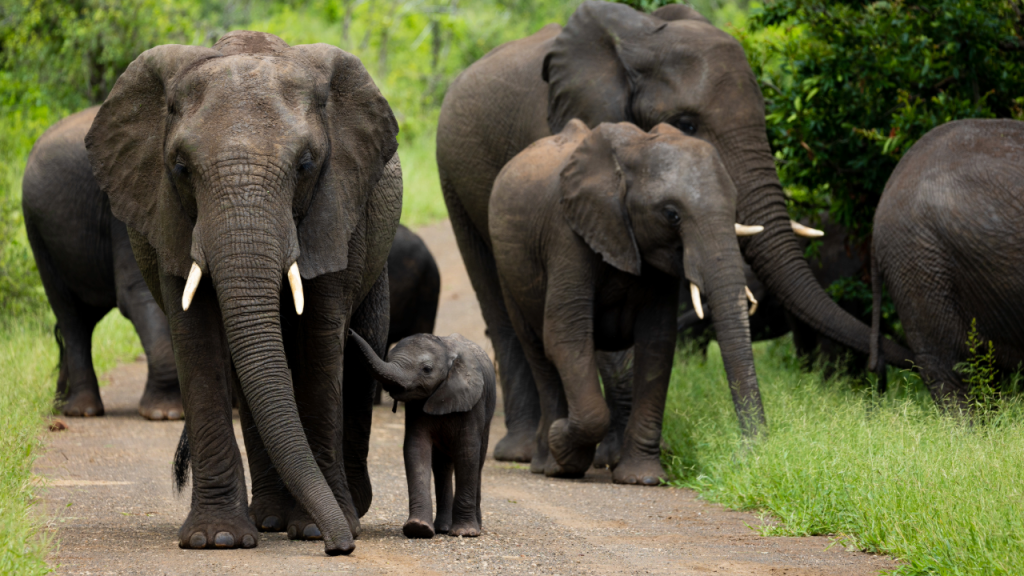
- It offers a permanent home to elephants which are not able to return to the wild.
- Simple outdoor conditions, buddies with whom they can socialize and play, a dignified way of life it all comes together here.
- It educates the general public about elephant welfare, conservation problems and what can be done to produce solutions.
- It is a place for elephants who have been retired from zoos and bear-baiting businesses, thereby reducing the number that are subjected to types of captivity with no space at all.
- There is no doubt that this sanctuary is the standard, as its right to exist has been recognized by the GFAS, who have accredited it.
- This year marks 30 years since the Tennessee legislature gave recognition to its good results at both local and international level.
Tip for Visitors and Fans of Elephants
- If you wanna visit, come head to downtown Hohenwald, to the Discovery Center. That’s where they allow public access.
- Look to see if the Discovery Center is holding any special events or “Third Saturday” programs.
- If you would like to volunteer, then keep an eye on the website or the (EleNews) newsletter of the sanctuary to find the next day when volunteers will register.
- Please be prepared not to see elephants up close (due to their habitat, safety and morality). Volunteers may not interact closely with the animals or visit their habitat.
- Use EleCams (online cameras) to check in on what any particular elephant is doing at the moment or can do!
Conclusion
In Tennessee, The Elephant Sanctuary is a model of ways people can respect, space, care for and have purpose in the lives of these magnificent creatures known as our fellow sentient beings.
Over its 30+ year history, the Sanctuary has accepted elephants like Tarra and made legal decisions for them. It continues to do so today, taking retirees in from Louisville Zoo or Oakland Zoo.
Habitats for elephants are kept off-limits to the public in order to protect these animals. Nevertheless, remote cameras, the Discovery Center and educational outreach programs bring people increasingly near in spirit and knowledge.
Whether you’d like to “see elephants,” be an elephant volunteer or learn something about how sanctuaries differ from zoos, this is an excellent place for learning.